Bank & phone
How to open an account, get a SIM, and stop needing an address you don't have yet.
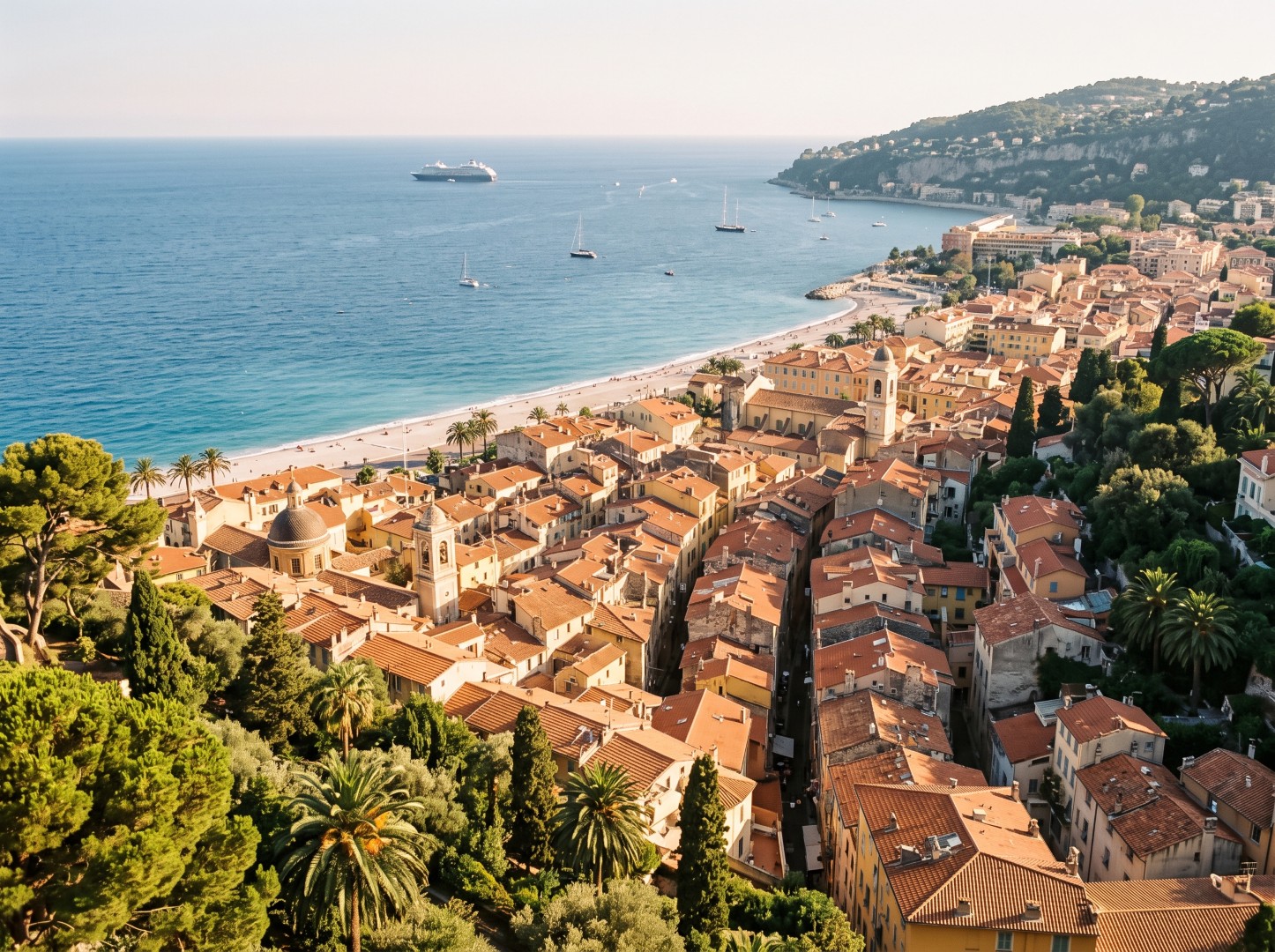
There's a very French chicken-and-egg problem waiting for you here: you need a bank account to sign a lease, and traditionally you needed a lease to open a bank account. It's gotten easier in the last few years, but it still catches people off guard, so let's take it apart properly.
Opening an account before you have an address
The traditional route — walking into a branch of a bank like BNP Paribas, Société Générale or Crédit Agricole — still often wants a French address and a residency document before they'll open an account, which is exactly the problem when you've just landed. What actually worked for me and most people I know was starting with an online-first option that doesn't require a French address on day one — the big EU-wide neobanks (N26, Revolut, Wise and similar, not the traditional French banks) will open an account with just a passport and proof of address in your home country while you sort out housing. It's not a permanent solution for everyone, and it's worth reading the fine print: some of them give you a French IBAN and some don't, and a few things here — certain employer payroll systems, certain direct debits — specifically want the French one. But it gets you a working account fast, which unlocks almost everything else.
Which banks are actually foreigner-friendly
In practice, the traditional banks vary enormously branch to branch — I've heard wildly different stories about the same bank depending on which advisor you got. A few things help regardless: going in person rather than trying to do it all online, bringing every document you own the first time so you're not sent away to come back, and mentioning upfront that you're newly arrived, which some advisors are set up to handle smoothly and others clearly aren't used to. If your French is shaky, ask if there's an English-speaking advisor before you commit to an appointment — it saves everyone time.
What they'll ask you for
Passport, proof of address (a lease if you have one, or a recent utility bill), proof of income or employment where relevant, and sometimes your visa or titre de séjour. Some banks will also want a small opening deposit. Bring physical copies even if you've already uploaded scans online — French administration has a strong preference for paper you can hand over the desk, and I've rarely regretted over-preparing.
Getting a French SIM
The main network operators — Orange, SFR, Bouygues, Free — all have shops in central Nice, and the budget sub-brands (Sosh, Red, B&You) run on the same networks for less. Most plans want a French IBAN for the monthly direct debit, which is one more reason to sort your bank account early; the prepaid options are the easier first move if your account isn't open yet. Bring your passport — you'll need ID to activate a line here, which surprises people coming from countries where SIMs are sold with no questions asked.
Why you'll need your RIB for everything
Your RIB (relevé d'identité bancaire) is a simple document with your account and routing details, and in France it's the universal key: your landlord wants it, your phone provider wants it, your electricity supplier wants it, your employer wants it for salary payments. Download a digital copy the day your account opens and keep it somewhere you can find in ten seconds, because you will be asked for it constantly, often at moments you didn't expect.
I keep mine saved in three places — email, phone, and a printed copy in the folder I carry to appointments — after being caught out once at a utility counter with a dead phone battery and no other way to hand it over. It's a small thing, but it's the one document that comes up more often than your passport once you're actually living here.
Common mistakes
Waiting until you have permanent housing before starting the bank conversation, which delays everything downstream. Signing up for a phone contract before checking whether it needs a French IBAN you don't have yet. And assuming one rejected bank appointment means you can't open an account in France at all — it usually just means that branch, that day, wasn't set up for your situation. Try another one.
How long it takes
An online-first account can be open within a few days. A traditional bank account, if the paperwork lines up, often takes one to two appointments over a couple of weeks — sometimes faster, sometimes not, depending on the branch. Your physical card typically arrives by post one to two weeks after the account is confirmed, so you'll be living off a virtual card or cash for a short stretch. It's a small inconvenience, not a real obstacle.
A small honest note: my first bank appointment went badly — wrong documents, wrong branch, a very patient advisor who eventually just told me to come back on Thursday. It felt like a failure at the time. It was just Tuesday's paperwork, and Thursday went fine.
Bank requirements and phone plans change often — it's worth confirming current documents and pricing directly with the provider before you go in.
Stuck on something specific?
Send Nathalie your question — the answer usually becomes a guide.